
Cosmetic dermatologists often refer to Tretinoin cream as the “gold standard” anti-ageing product because it can smooth out wrinkles and fine lines. This medicine is also very effective at treating acne, so people of all ages can benefit from it.
As you might expect, these two benefits have piqued the interest of many Canadians in tretinoin cream. Many Canadians don’t know the difference between tretinoin (which can only be bought with a prescription), Retin-A (a brand name), and Retinol (which can be bought without a prescription).
Take a look at this complete guide to learn everything you need to know about tretinoin cream in Canada. It can help with acne, fine lines, and sun-damaged skin.
What is Tretinoin Cream?
Tretinoin cream is a prescription-strength retinoid derived from vitamin A, widely used in dermatology to treat acne, reduce wrinkles, and improve overall skin texture. It works by accelerating skin cell turnover, helping your skin shed old, damaged cells and replace them with new, healthy ones.
In Canada and the USA, tretinoin is considered one of the most effective topical treatments for both acne and anti-ageing concerns.
How Tretinoin Works on Your Skin
Tretinoin works by speeding up the turnover of the skin’s cells. Over time, it takes skin cells about 28 days to move from the lower layers of skin to the top, where they are shed. Tretinoin speeds up this process, causing cells to divide faster.
This faster change of cells helps:
- Keep pores from clogging by preventing dead skin cells from piling up and blocking them.
- Deep in the Skin boosts Collagen production to smooth fine lines and improve skin texture.
- Controlling and lowering oil production can help calm acne that is already active.
Benefits of Tretinoin Cream
1. Acne Treatment
The main recommended use for tretinoin is to treat acne. Comedonal acne (blackheads and whiteheads) and inflammatory acne (red, swollen pimples) can both be helped by it. Tretinoin treats current breakouts and prevents new ones from forming by keeping pores from plugging and clearing clogged pores.
2. Anti-Aging & Wrinkle Reduction
Researchers found that tretinoin has strong anti-ageing properties, even though it was first made to treat acne. Tretinoin can make fine lines and wrinkles look less noticeable by increasing collagen production and making the skin more flexible.
Photoaged (sun-damaged) skin can get better with tretinoin. It can reduce fine lines and improve the skin’s structure. The anti-ageing effects become more visible after using it regularly for a few months. After 6 to 12 months of regular use, many people notice big improvements.
3. Hyperpigmentation & Dark Spots
By accelerating the shedding of coloured skin cells, tretinoin helps fade dark spots, sun spots, and melasma. The extra melanin (pigment) is spread out more widely when the skin turns over more quickly. It makes the skin tone more even.
When used with other treatments, like vitamin C or niacinamide, tretinoin can really help reduce redness that won’t go away. But if you’re using tretinoin to treat pigmentation, you should use sunscreen every day because the sun can make dark spots worse.
4. Skin Texture Improvement
In addition to fixing specific problems, tretinoin improves your skin’s overall structure. In addition to smoothing out rough spots, it can make pores look smaller and give skin a more polished, younger look. People who have used it for a while say it makes their skin look healthier.
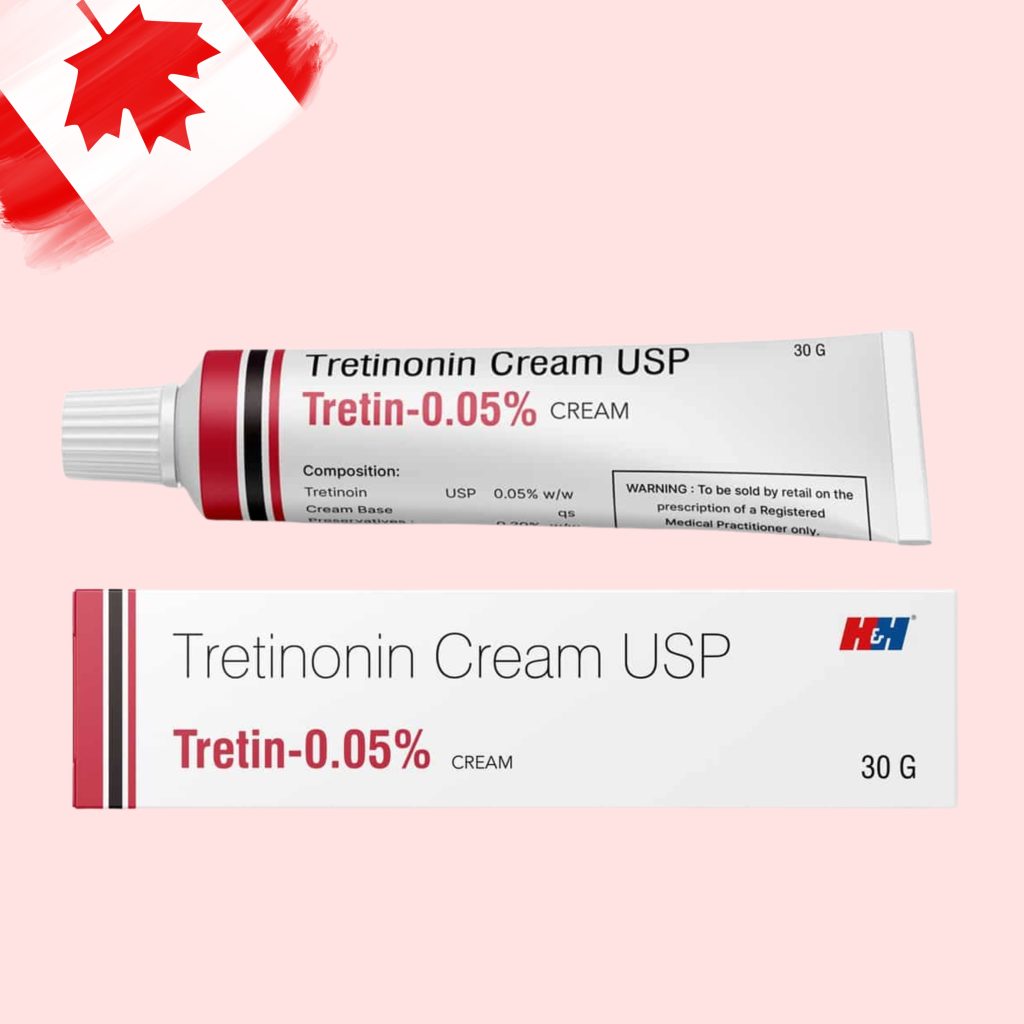
Available Tretinoin Strengths in Canada
Tretinoin comes in different strengths. Choosing the right one is crucial.
| Strength | Best For | Notes |
|---|---|---|
| 0.025 % | Beginners | Sensitive skin, mild, fewer side effects |
| 0.05 % | Moderate | Acne, anti-aging, Balanced effectiveness |
| 0.1 % | Severe acne | Experienced users: strongest, higher irritation risk |
👉 Tip : Always start with a lower strength and gradually increase.
Tretinoin Cream vs Gel: Which is Better?
How to Use Tretinoin Cream (Step-by-Step Guide)
To achieve the best results with minimal soreness, it is important to use tretinoin cream correctly. If you follow these application tips, you should be able to avoid making common mistakes. But always check the directions that come with your unique product.
First, wash your face with a mild cleanser that won’t irritate your skin. Dry your face with a towel, then wait 20 to 30 minutes before applying tretinoin. It’s important to wait this long because applying tretinoin to wet skin can lead to faster absorption and excessive discomfort.
Use about the size of a pea to put tretinoin on your thumb. It’s enough for your whole face with this little bit. Place small dots of the medicine on your chin, forehead, and cheeks. Then, gently spread it across your face in a thin, even layer.
Stay away from sensitive spots like your lips, the sides of your nose, and the area around your eyes. These spots are more likely to get irritated. If you’re using tretinoin to fight the signs of aging and want to get rid of the lines around your eyes, talk to your doctor first. They may suggest a different method for those sensitive areas.
Tretinoin should be applied once daily, ideally before bed. When Tretinoin is exposed to sunlight, it can break down, reducing its effectiveness. When you take the medicine at night, it has time to work while you sleep.
Usage Frequency:
- Week 1–2: 2–3 times per week
- Week 3–4: Every other night
- After 1 month: Nightly (if tolerated)
Tip: “Moisturizer Sandwich Method”
- Apply moisturizer → tretinoin → moisturizer
- Helps reduce irritation
Tretinoin Side Effects (What to Expect)
Knowing about the possible side effects of tretinoin cream can help you know what to expect and when to see a doctor.
These are the most common side effects of tretinoin:
- The skin is getting dry, flaky, and red
- Itching and mild pain in the skin
- Acne has been getting worse for a short time
- Skin that is more sensitive to the sun
As your body gets used to the medicine, most side effects improve. However, you should talk to your doctor if you experience severe irritation that doesn’t get better, signs of an allergic reaction (like extreme redness, swelling, or itching), or burning that won’t go away and makes the medicine intolerable.
How to Minimise Side Effects:
- Start with a lower strength and gradually build up to get the most out of it.
- You can also use the medicine less often at first, use a good moisturizer every day, and avoid other products that might be irritating at first.
- Again, if you use tretinoin cream during the day, don’t forget to put on sunscreen.
Important Precaution with Tretinoin Cream
People can use tretinoin cream safely as long as they follow the directions. Here are some important safety points to keep in mind:
- Tretinoin shouldn’t be used by people who are pregnant, trying to become pregnant, or breastfeeding. If you get pregnant while taking tretinoin, stop using it right away and talk to your doctor.
- People with acne or very sensitive skin, a history of skin cancer, or who are currently sunburned or have other skin problems shouldn’t usually use tretinoin cream.
- If you use face products containing salicylic acid, benzoyl peroxide, or other acids that exfoliate, don’t use tretinoin unless your doctor tells you to. These combos can irritate you too much.
Tretinoin Cream: Some Extra Tips
- For the first few weeks, you should apply tretinoin cream every 2 to 3 nights. This method helps your face adjust to the change more gradually, reducing the risk of becoming overly sensitive. After 2 to 4 weeks, you can gradually use it every other night instead of every night. You can finally use it every night if your skin can handle it.
- You can use a lotion after applying tretinoin if you want. While some people like to wait 10 to 15 minutes after using tretinoin before hydrating, others prefer to hydrate right away. You can use either method; pick whichever feels best on your face.
- In Canada, people who use tretinoin cream must use sunscreen every day. The medicine makes your skin more sensitive to sunlight, increasing your risk of sunburn. Sunscreen with SPF 30 or higher should be used every morning, even on cloudy days.
How Long Does Tretinoin Take to Work? ⏳ Timeline:
Weeks 2–4
Initial irritation/purging

Weeks 6–8
Acne improvement

3–6 Months
Visible skin texture improvement

6–12 Months
Anti-aging results
Consistency is key—tretinoin is a long-term treatment.
Tretinoin Before and After: What to Expect
Realistic Expectations:
- Gradual improvement (not overnight)
- Initial worsening (purging)
- Significant long-term results
Typical Results:
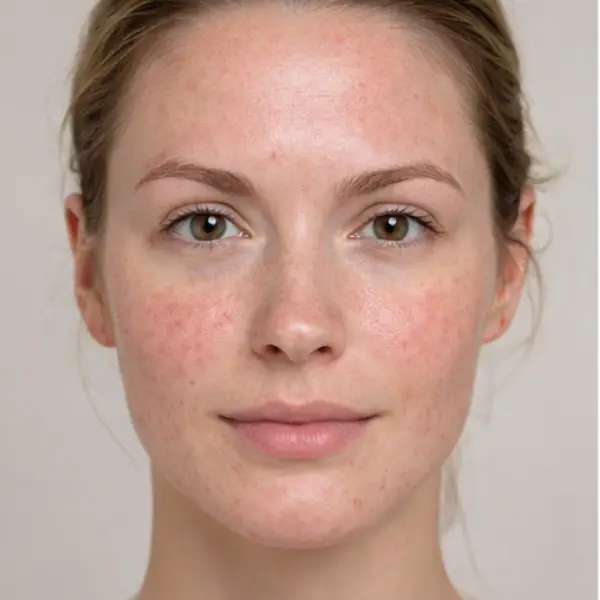
- Clearer skin after 8–12 weeks
- Reduced wrinkles after 6+ months
- Brighter complexion over time
Tretinoin vs Retinol: Key Differences
Many people want to know how tretinoin cream differs from retinol. Many over-the-counter skin care products contain retinol, a form of vitamin A. There are similarities between tretinoin and retinol, but significant differences as well.
Power and Strength
The main difference between retinol and tretinoin is their strength. Tretinoin cream works much better than retinol because it is already in its active form, retinoic acid. Retinol needs to be changed into retinoic acid by the skin before it can do its job.
Accessibility and Rules
In Canada, you need a prescription to get tretinoin cream. It’s not something you can buy at the store or in a pharmacy. Because tretinoin is a drug, it has to meet very strict safety and effectiveness standards set by the government.
How Fast Things Go
Tretinoin usually works faster than retinol because it is already in its active form and is much stronger. Many people notice changes in their acne and skin texture 4 to 8 weeks after starting tretinoin cream, and the benefits last for several months.
👉 Bottom Line:
- Choose tretinoin for faster, stronger results
- Choose retinol if you’re a beginner
How to Get Tretinoin Cream in The United States
It is not possible to get Tretinoin without a prescription in Canada. You will need to talk to a doctor to get it. The doctor will review your skin problems and medical history during your appointment to determine whether tretinoin cream is right for you.
You should be ready to discuss your skin problems and goals, your current skin care routine, any past treatments, and your medical history.
You can have your tretinoin cream filled at any pharmacy in Canada once you have a prescription.
Tretinoin Cream Canada Price
- In Canada, the price of tretinoin cream depends on your insurance coverage, the strength and formulation you receive, and whether you buy brand-name or generic.
- If you don’t have insurance, a tube of tretinoin can cost $40 to $100, depending on the brand and strength. Most of the time, generic tretinoin cream costs less in Canada than brand-name Retin-A cream.
- In Canada, many private insurance plans cover prescription tretinoin, especially when it’s used to treat acne. Coverage for anti-aging or cosmetic reasons, on the other hand, is not as popular.
Ways to Save:
- Use insurance coverage
- Buy generic versions
- Compare pharmacy prices
- Use online prescription services.
Where can I buy Tretinoin Cream online in Canada?
You need a prescription from a doctor or pharmacist to buy Tretinoin cream or gels. Tretinoin is making this process quick and easy for Canadians, though. Just fill out an online test with one of our pros. They can write your prescription and have the medicines sent straight to you for free if they think tretinoin treatments are a good choice for you.
Alternatives:
- Adapalene (available OTC in some regions)
- Retinol products
- Prescription alternatives
FAQ about Tretinoin Cream in Canada
Can I keep using tretinoin cream?
Most people think that Tretinoin cream is safe to use for a long time as long as it is used as directed by a doctor. Studies show that the anti-aging effects of tretinoin are most noticeable after prolonged use.
Is it okay to use tretinoin cream every night?
Yes, in the long run, but probably not right away. For the first few weeks, use tretinoin every two to three nights. As your face gets used to it, you can slowly switch to using it every night. Some people say that it works best for their skin if they use it every other night over time.
How long does it take for tretinoin cream to work?
Most people with acne start to feel better in 4 to 8 weeks, and the effects last for another 3 to 6 months. For anti-aging and hyperpigmentation, you should start to see improvements after 3 to 6 months of regular use.
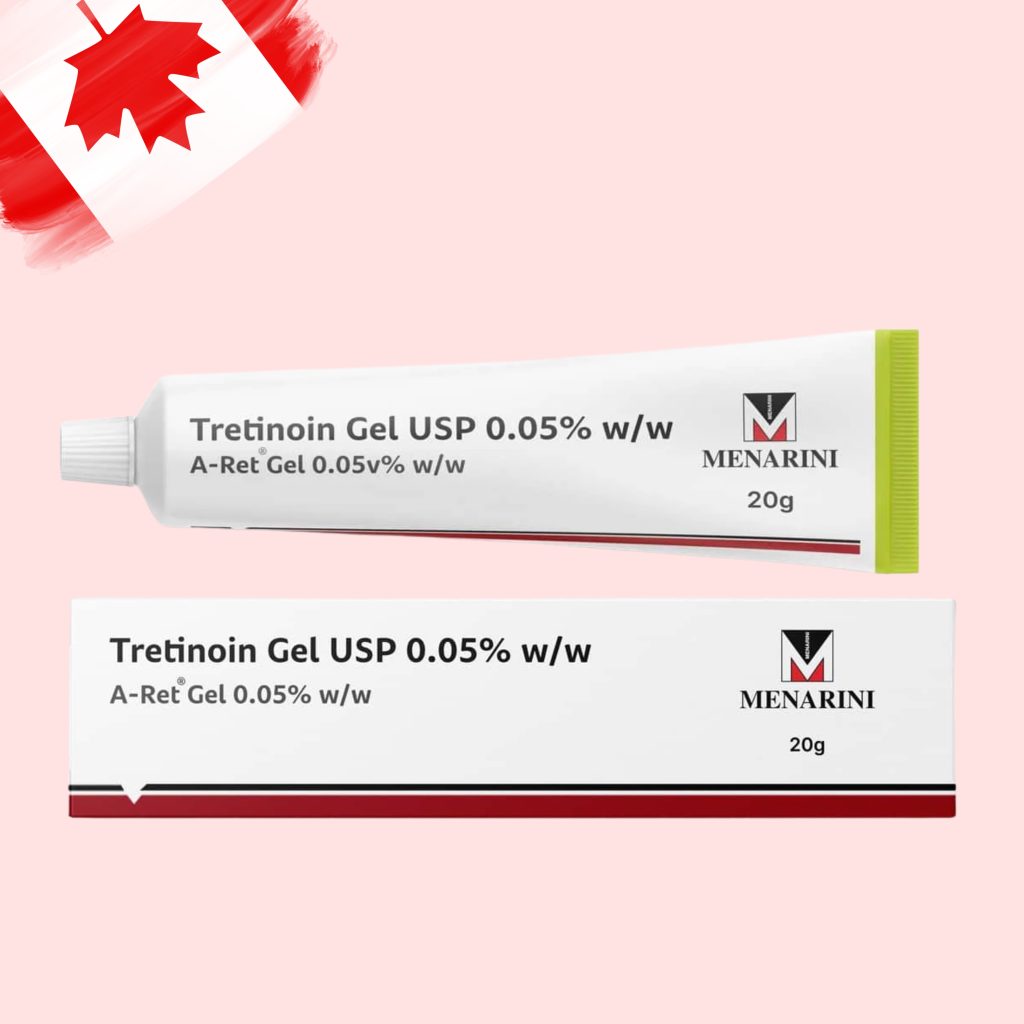
What's the difference between gel and cream tretinoin?
Tretinoin cream is better for dry or sensitive skin because it has a base that provides more moisture. But because it is lighter, tretinoin gel may be better for people with oily or acne-prone skin, even though it can be more drying.
Tretinoin cream Canada: In Brief
Tretinoin cream is still one of the best prescription skin care products in Canada for acne, aging skin, and uneven skin tone. It has been shown to improve skin smoothness, increase collagen production, and treat a range of skin problems, so it’s no surprise it’s considered the best way to address them.
Tretinoin should be used slowly and carefully to minimize side effects. If you can stick with it, the benefits can be big. To get the best results with the least amount of irritation, start with a lower strength, apply sunscreen properly, and use it every day.
In Canada, the first step if you want to try tretinoin cream is to talk to your doctor. They can examine your skin problems and tell you whether tretinoin will help.